


庶民政治系列──涼亭被拆,女王像長存

香港人講歷史,主軸是英國人的管治和李嘉誠如何發跡;香港人談保存舊建築,主要的標準是「靚」,而所謂「靚」,無非是精雕細琢的歐式古典建築。皇后碼頭爭論最刺激的地方,正是讓市民看清楚,政府拿什麼標準來講香港歷史和古蹟價值,也讓市民思考,我們是否要繼續糊里糊塗地替這套歷史觀和保育觀背書。今期星期日明報提到公園,就讓我從維多利亞公園的故事說起,看看政府這套歷史觀留下了什麼,又消滅和排斥了什麼。

維多利亞公園是葛量洪任港督時﹝一九四七至一九五七﹞其中一項公共建設。在其任內興建的著名公共建設似乎特別多,包括皇仁書院銅鑼灣新校、政府合署東翼、掃桿埔政府大球場等,另外,中區和銅鑼灣的新填海用地罕有地沒有商業發展,前者蓋起了大會堂、天星碼頭及皇后碼頭建築群,後者則成了二戰後最大的公園。一種流行的說法是,戰後港英政府面對龐大的移民人口及中共提早收回香港的威脅,不得不改變戰前的種族區隔統治,加強向華人提供公共服務。

維園開放五十二年來,有兩個無人不識的地標。第一個是一九五五年五月置於公園內的維多利亞女王像,此像見證了港英殖民政府二十世紀首五十年的高潮低潮,它從中環流落日本再回來銅鑼灣的經過,網上一查就知道。在歷史檔案館翻看興建公園前後的公文往來,當中絕少討論應該提供什麼設施給市民,卻有很詳細的關於公園命名﹝叫維多利亞公園、伊利莎伯公園或佐治六世公園?﹞和安放女王像位置的考量,而激起最多爭論的竟然是女王像的基座高度。應該高三尺六吋還是七呎?最後殖民政府寧願多花三千大元選擇了七呎高的基座,以防女王被「非禮」﹝be subjected to indignity﹞。大家肯定已想起了一九九六年的潘星磊。

古物古蹟辦事處在建議前民政局長何志平不要列皇后碼頭為法定古蹟時指出:「在考慮一座歷史建築物應否宣布為古蹟以便重構香港的殖民地施政歷史時,我們必須考慮全盤因素﹝we have adopted a holistic approach﹞,包括有關的建築物與殖民地施政的關係,以及其對殖民地經濟、宗教、教育、醫療發展等範疇的貢獻。從這廣泛的歷史角度來看,皇后碼頭作為一個用作舉行特別儀式的地方,其歷史意義相對不大。」觀乎目前被列為古蹟的建築──前港督府、前中區警署建築群、前中央裁判司署、舊三軍司令官邸、舊最高法院等,或者古蹟辦視為較皇后碼頭重要的一級歷史建築──舊域多利軍營、舊鯉魚門軍營和舊南九龍裁判署等,政府以舊建築重構殖民地施政歷史的進路,只是單向地展示殖民地統治者在各方面的輝煌,不單止是要夠權威﹝軍、政和司法機構﹞,連建築風格也偏好着重展示階級優勢的新古典主義建築,輕視強調階級平等的戰後現代主義建築。

維多利亞女王像雖然不是建築物,但香港的古蹟保存部門大概會把它歸入上述的重構裏,而以女王像為核心的維多利亞公園在這套歷史觀中,就是戰後英國殖民者改善施政的德行之一,就是港府慶祝英女皇壽辰的閱兵場地﹝一九七三年﹞,甚至是香港順利過渡、北京兌現五十年不變承諾的象徵。因此,維多利亞公園內什麼都可以改、什麼都可以拆,唯獨維多利亞女王像不能碰,世世代代供市民瞻仰和藉其回溯香港曾經有過的「歐陸情懷」。

公園內另一個地標是被稱為「維園涼亭」的「中央音樂亭」﹝Central Musical Pavilion﹞。那是一個跟皇后碼頭一樣「無甚特色」﹝何志平語﹞的現代建築,政府檔案裏沒有記載設計者是誰,甚至很難確認在何年興建﹝筆者只在一項演唱會公告中,得知涼亭在一九六八年已經存在,也在一幅一九七一年拍的照片首次得見其身影﹞。但是,這個一直被官方輕視的涼亭,由一九七一年開始就成了我城居民站出來反抗強權、爭取自主的基地﹝與毗鄰皇后碼頭的愛丁堡廣場分庭抗禮﹞。我從多種香港大事年表中輯錄出以「維園涼亭」為中心的重要抗爭,幾乎就是一本香港社會運動史:

●一九七一年七月七日,數千學生和市民參加保釣集會,遭由警司威利率領的警隊以長棍鎮壓,多人受傷
●一九七三年九月十六日,各界舉行「貪污有罪、集會無罪」示威,抗議警方票控參加「反貪污、捉葛柏」集會人士
●一九七四年五月五日,「每日戰訊」等五個團體發起五月五日維園示威,抗議通貨膨脹及失業惡化
●一九七八年五月二十八日,萬多人示威反對政府關閉金禧中學
●一九七八年九月十日,佳藝電視台職藝員在維園舉行佳視事件民眾集會,爭取復台
●一九八二年九月十八日,三萬多市民集會反對日本歷史教科書篡改侵華歷史
●一九八三年九月十八日,五千多人集會要求政府遏止加價風
●一九八七年九月二十七日,一萬人參加民主政制大會,爭取一九八八年直選
●一九八九年五月二十日,逾四萬名香港市民冒着八號風球到維園集會,聲援北京學運
﹝最後當然要包括一九八零年四月開始的城市論壇﹞

這段從市民抗爭出發,以涼亭為核心的維多利亞公園史,是殖民政府以至特區政府古蹟保存部門容納不了,甚至要刻意掃除的。這當然並不稀奇。稀奇的是,就算從這些抗爭中一路走來的香港市民,也似乎對盛載這些抗爭的公共空間和地標無知無覺,甚至被動地認同了官方的歷史觀,認為這段「集體回憶」不值得成為我城歷史的重要篇章,不值得成為我城下一代成長的路標。於是,在市民的默許下,二零零零年,特區政府民政事務局向立法會財委會申請撥款進行「維多利亞公園改善工程」。民政局在文件的一處提到維園涼亭:「公園內的其他設施,如廁所和更衣室、經鋪築的地面、座椅和長櫈、避雨停和涼亭等亦已殘破,須以設計較佳的設施替換。」當時,一些民主派立法會議員被記者問到有關工程時,只說希望政府在局部封閉維園進行工程的時候,不要縮減六四燭光晚會的場地面積。

「維園涼亭」就此消失。

涼亭消失後,周圍的空地幾乎再沒有舉行過像樣的抗爭。為什麼呢?因為,本來面朝八方的圓形涼亭是非常理想的動員舞台﹝是西人建築師有意為之?﹞,運動組織者 ﹝就算沒錢在足球場搭台﹞只需拿着大聲公振臂一呼,馬上就能吸引四面市民的注意。民政局將涼亭拆毀後,換上一個面朝一方的帳幕﹝下圖﹞,暗暗與特區令人窒息的政治契合。舞台死了,周圍的公共空間也隨之死亡。
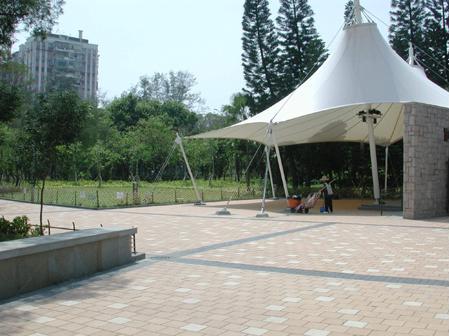
新涼亭

皇后碼頭不也是一樣嗎?皇后碼頭拆毀後,毗鄰的愛丁堡廣場將會興建四十米長的P2路,隨之消失的,是四十年市民抗爭的空間憑據。

涼亭被拆,女王像長存;碼頭被拆,港督府長存。零三七一穿着黑衣締造歷史的同志啊,你們真的要替這樣的歷史觀和古蹟觀背書嗎?保育運動就是民主運動啊!

左上圖:爭取佳視復台集會。補記:前政府建築師李鉞表示,維多利亞公園的音樂亭是六十年代由前地政工務司David Mcdonald設計的。

回應

史料 鉤沉:葛量洪一九五六年告別演說

以下是葛量洪一九五六年在立法會的告別演辭節錄,他將維多利亞公園視為自己其中一項代表作。五十年前的「形象工程」與今日的「西九」和「港深合體」比較,好太多了。

Honourable Members: It cannot be gainsaid, I am sure, that the ten years since I first presided at this Council on the 31st day of July, 1947 have been tremendous years in the life of Hong Kong. What developments there have been, what growth and what problems! First of all, of course, there was the rehabilitation, the reparation of the damage and ravages of the war and the Japanese occupation. It is difficult to realize now that on liberation 70% of the European style residences and 20% of the tenements were unfit for human habitation. Our school buildings were largely destroyed, the University was but an empty shell.

The work of restoration was already in full swing when I arrived. It has long since been completed but how much more has been accomplished. We
should really compare the Hong Kong of today with the Hong Kong of 1941. The difference is remarkable and yet it is a span of 16 years only. Consider the
buildings, the schools, the hospitals, the skyscrapers of office blocks and domestic flats, Victoria Park, North Point Housing Estate, Tai Lam Reservoir, the development of the New Territories, the factories whose output today accounts for nearly one-third of our exports. Much of all this has been done since 1951 and this is the more remarkable because during this time we were flooded out with refugees while simultaneously our trade was being penalized as a result of the United Nations and United States embargoes on trade with China.

How has this been done, and who has done it? The answer to that is the people of Hong Kong. What is their peculiar genius? Is it not their industry, their intelligence and their ingenuity? I think it is and besides this they are realists. They get on with the job, there is an absence of humbug about them and they are imbued with the spirit of co-operation. Furthermore it has always been a
tradition of Hong Kong to let the genius of its people work to their own advantage and hence to the advantage of the community generally, without their
initiative being frustrated by an excess of state planning.

Nevertheless, although a great deal has been accomplished we, or rather you, as I am shortly passing from the scene, must not be complacent for much more remains to be done. The airport is not completed, the new Kowloon Hospital has not yet been physically started, the Kwong Wah Hospital has hardly got to the planning stage, more schools are needed, the city hall has not been commenced. The list is indeed a formidable one. Planning will have to go on and on and on.

Here I might mention development of Tai Po, Gin Drinkers Bay, Junk Bay, Tide Cove, schemes which, as was announced a few days ago, are shortly to be
examined in detail with a view to the early implementation of one or more of them and the later implementation of the others if found practicable. These are within the realm of actualities and they will open up considerable areas. But still in the dream stage is the development of High Island which might well accommodate a satellite town of a half a million people.

I pass to constitutional matters, in particular those affecting this Council. A moment ago I mentioned that one of the characteristics of the people of Hong Kong was their realism. They are not taken in by catchwords such as democracy. Not that democracy is not a very fine thing: it is. But many
people use it as a catchword and make a mistake of regarding it as an end in itself, whereas it is only one of the means to an end, that end being individual freedom and liberty. And here in Hong Kong despite the fact that the constitution of this
Council and of Executive Council is not democratic, I venture to say in the words of a noted American writer, that Hong Kong is one of the most live and let live places in the world. Liberty and freedom are actualities.

As regards this Council, it is sometimes stated that the Unofficial Members are stooges of the Government and almost in the same breath that the
Government is but the mouthpiece of big business. These conflicting statements cannot both be true. In point of fact, neither is. Having worked with the Members of this Council for ten years I
have the highest regard for them, for their integrity and for the intelligent and unremitting way in which they strive for the good of the Colony. Without giving away State secrets I may tell you that in no single case, to my knowledge,
has it ever happened on Executive Council that the Official Members have voted one way and the Unofficial Members the other. On Legislative Council this happened only once. In short, on both Councils we work as a team. One thought concerning Legislative Council, however, remains, and that is this.

Would the authorities in London pay greater heed to Hong Kong and its just claims if the Council, which in this connexion means the Unofficial Members
thereof, were to be more vocal in pressing those claims than has been the tradition in the past? I leave the thought, which is not original or unique with me, with honourable Members......

涼亭 vs 銅像

若果公共空間是你們的設求﹐則舊涼亭沒有任何必需要保留的理由﹐只要新的涼亭有同樣或更好的公共空間功用。你們要爭取的不是不拆﹐而是參與公共空間的設計。

RSS feed